Riding school
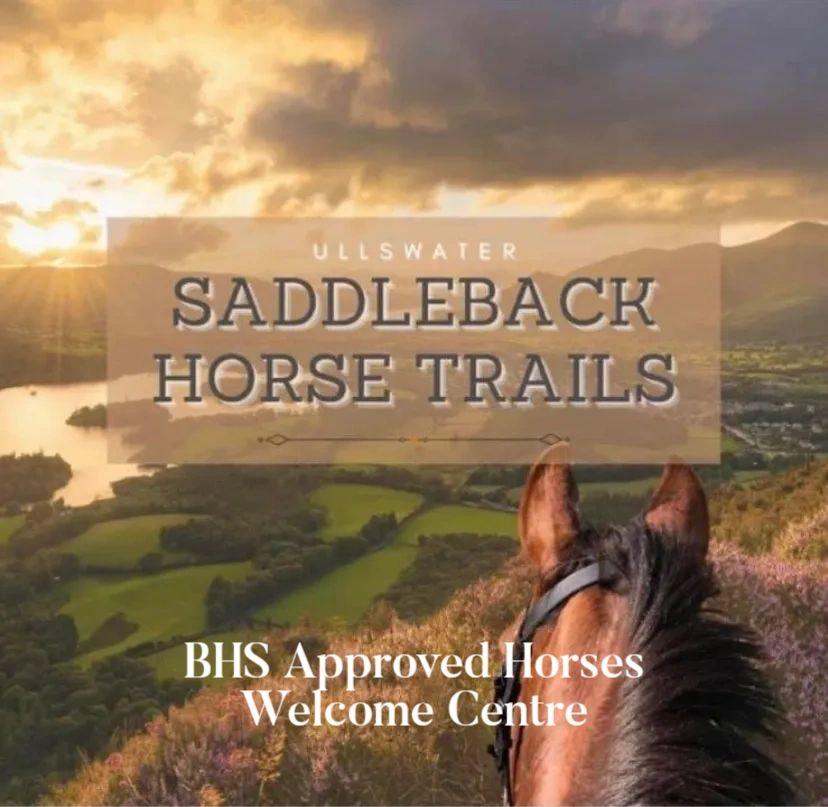
Ullswater Saddleback Horse Trails
Eamont and Shap, Westmorland and Furness · CA10 2NG
Come for the day.... or stay a little longer, and make it a horse holiday to remember!
- Group lessons
- Beginner
- Adults
Published 11 August 2026
Three destination guides: Scotland, the Lake District and Cornwall — terrain, ability and cost.
Three of the UK's most distinctive riding regions, each suited to a different kind of rider. Scotland rewards experienced, fit riders after genuine wilderness; the Lake District offers dramatic fell scenery with more route flexibility on ability; Cornwall combines coastal beach riding with a longer, gentler season. Here's how each works.
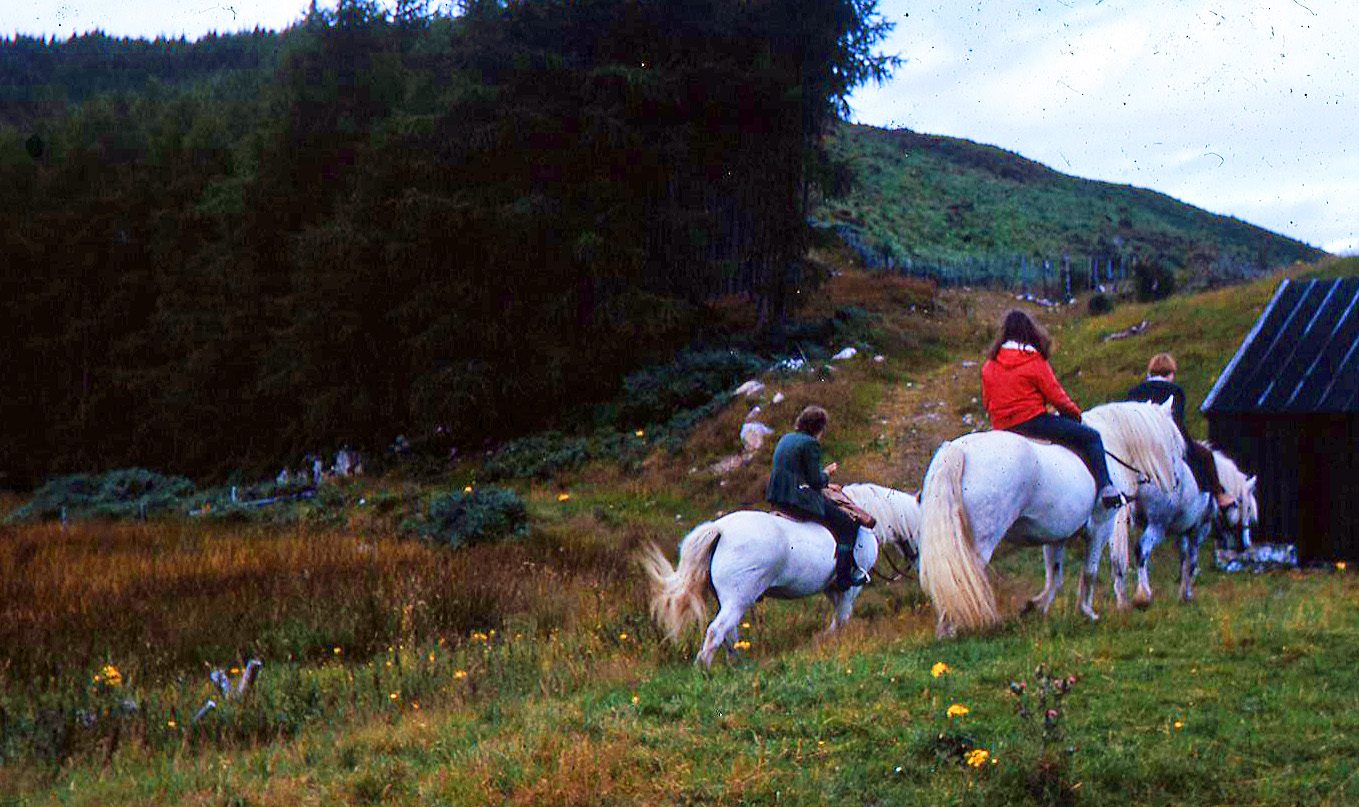
Scotland is the UK's most serious trail-riding destination — Highland and Borders operators run multi-day point-to-point rides through terrain that's genuinely remote, often with no phone signal and hours between settlements. This is not beginner territory: most Scottish trail operators require confident, independent canter control and the fitness to ride 5–6 hours a day for several consecutive days.
Terrain: open glens, hill tracks, forestry trails, and river crossings depending on route and season. Highland ponies and sturdy cobs are commonly used precisely because the ground demands sure-footedness over refinement.
Best regions: the Cairngorms and the wider Highlands for the most remote, dramatic trail riding; the Scottish Borders for a gentler but still substantial trail-riding experience closer to England.
Season: May to September is the practical window — midges become a serious issue from June, and many operators recommend head nets as standard kit. Winter riding holidays exist but are a different, much harder proposition.
Cost: multi-day trail holidays typically run £900–£2,000+ all-inclusive, reflecting the logistics of remote accommodation and support vehicles following the ride.
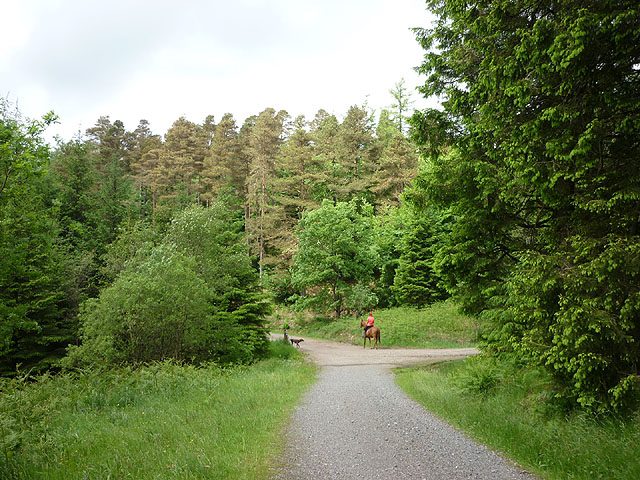
The Lake District offers dramatic fell and valley scenery with more flexibility on rider ability than Scotland — operators commonly run both gentler valley-floor treks and more demanding fell routes, often from the same base, which makes it a good choice for mixed-ability groups or families riding at different levels.
Terrain: fell tracks, valley bridleways, and lakeside routes. Less remote than Highland Scotland, with settlements and support closer at hand, but still genuinely hilly, technical riding in places.
Best regions: the western fells (Wasdale, Ennerdale) for quieter, more demanding routes; the central and eastern Lakes (Ullswater, Troutbeck) for more established riding centres and gentler valley options.
Season: a slightly longer comfortable window than Scotland, broadly April to October, though fell weather changes fast regardless of season and waterproof kit is non-negotiable.
Cost: day treks £50–£100; multi-day lodge-based riding breaks £600–£1,400, generally lower than equivalent Scottish trail holidays due to shorter travel and support logistics.
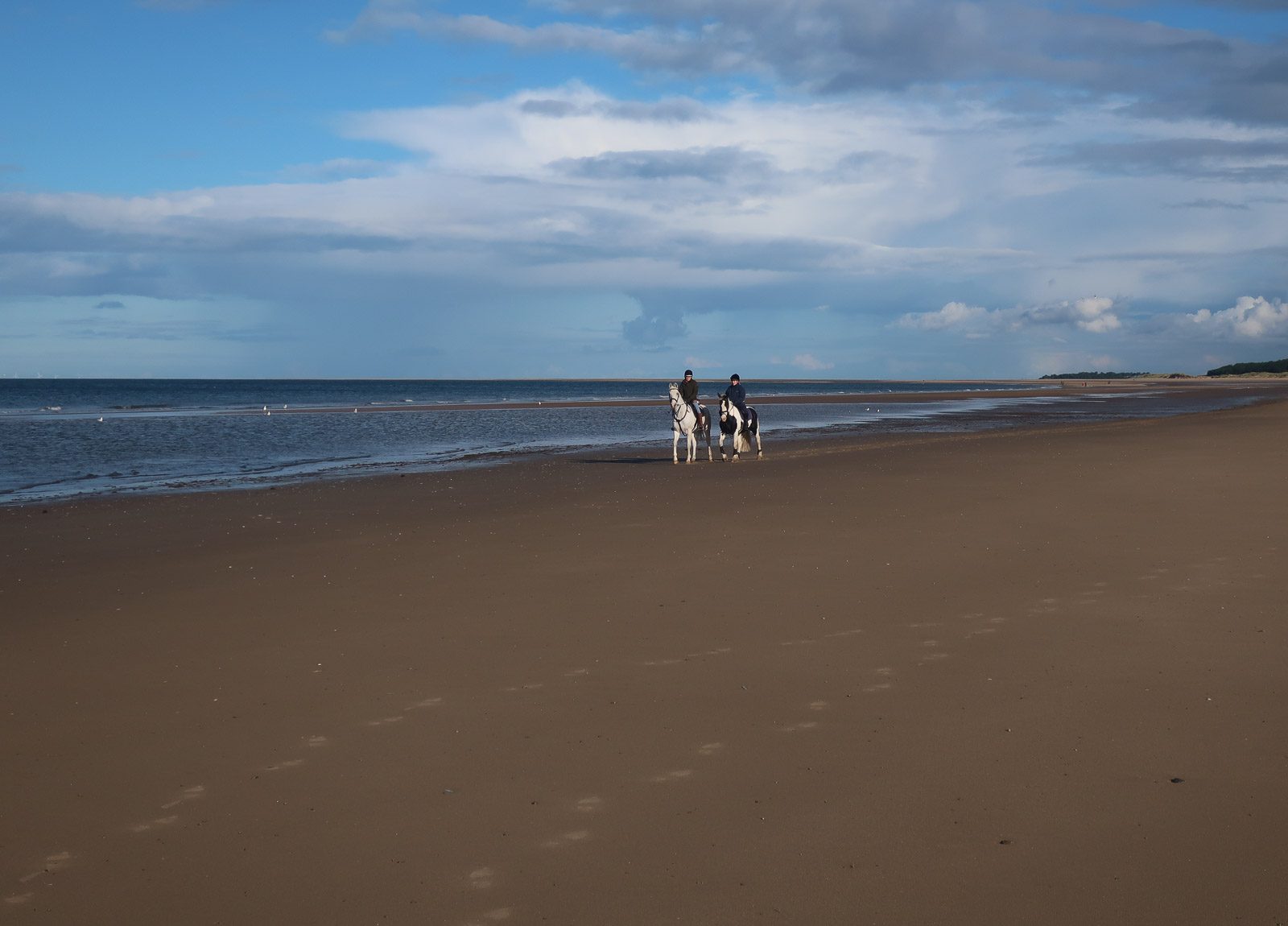
Cornwall is the most accessible and family-friendly of the three, built around its defining feature: legal beach riding on specific stretches of coastline, subject to tide times and seasonal restrictions. It also has the longest comfortable riding season of the three regions thanks to its milder coastal climate.
Terrain: coastal paths, beach sections (tide-dependent, and restricted to specific beaches with permission), and inland bridleways through farmland and small valleys.
Best regions: North Cornwall (around Rock, Polzeath, and Constantine Bay) for the best-known beach riding; the South Coast and Roseland Peninsula for quieter inland and coastal path riding away from the busiest tourist beaches.
Season: March to November is broadly workable given the milder South West climate, though summer school holidays bring the busiest beaches and the most restricted riding windows — some beaches ban horses entirely during peak visitor months.
Cost: beach riding sessions typically £50–£90 per person for a supervised group session; multi-day coastal riding breaks with accommodation £400–£900.
Family suitability: Cornwall generally offers the widest range of ability levels of the three regions, with more operators running dedicated beginner and family sessions alongside more advanced coastal trail rides.
If your priority is genuine wilderness and you're a fit, experienced rider — Scotland. If you want dramatic scenery with more flexibility on route difficulty and a shorter journey from most of England — the Lake District. If you want the most accessible season, family options, and the specific experience of a beach canter — Cornwall.
For the Midlands/Northern equivalent with easier access and gentler terrain than any of these three, see riding holidays in the Peak District, or return to the full regional comparison on our horse riding holidays UK guide. If you're planning a trip from overseas, our guide to horse riding holidays in the UK for American visitors covers the practical differences worth knowing before you book any of these three regions.
From Highland trails to Cornish coastal rides — start with these.
Eamont and Shap, Westmorland and Furness · CA10 2NG
Come for the day.... or stay a little longer, and make it a horse holiday to remember!
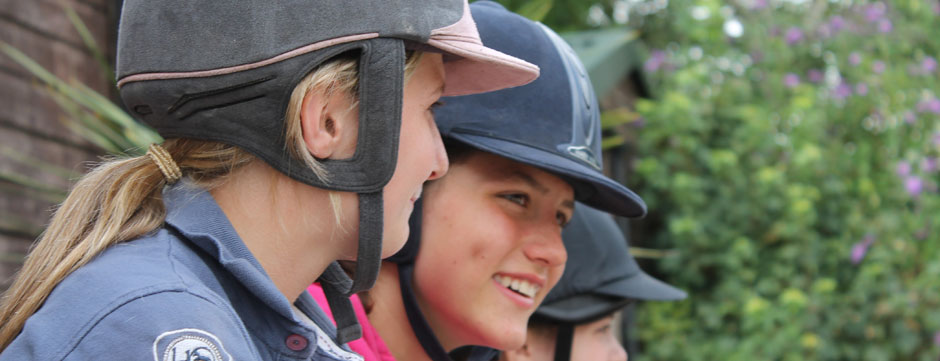
Roche & Bugle, Cornwall · PL26 8RU
Barguse Riding Centre — riding school and equestrian centre in Roche & Bugle, Cornwall. BHS approved.

Aboyne, Aberdeenshire · AB34 5DY
Scottish Highland riding holidays and treks from a centre near Aboyne on Royal Deeside.
FAQ
Short answers to the questions riders ask most about this topic.
More reading that pairs well with this topic.
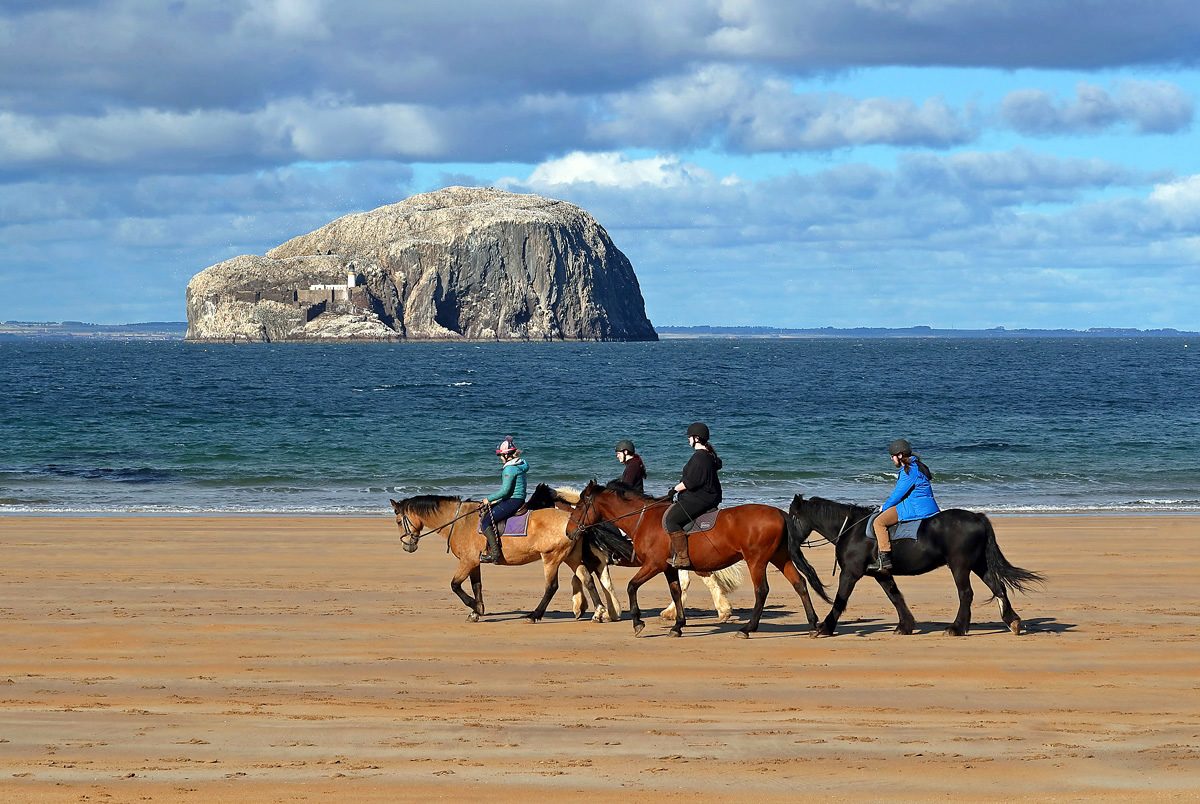
Tack differences, ability grading, insurance and logistics for US riders booking a UK riding holiday.
Published 7 August 2026
Read guide
How to choose a UK riding holiday by ability, region and holiday type.
Published 12 August 2026
Read guide
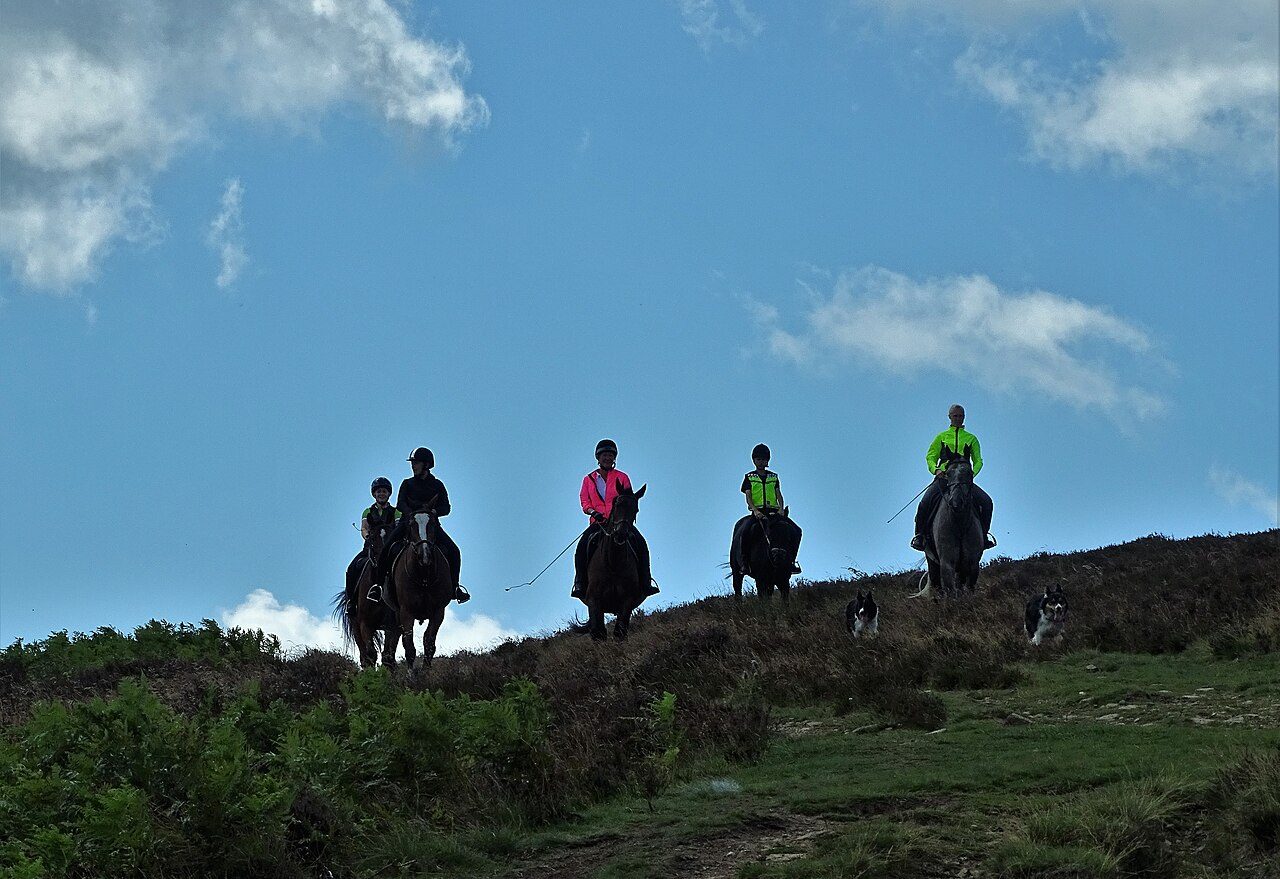
Where to ride in the Peak District, terrain, prices, and how it compares to Scotland and the Lakes.
Published 14 August 2026
Read guide