Verified Member
Riding school
Lulworth Equestrian Centre
West Purbeck, Dorset · BH20 5QR
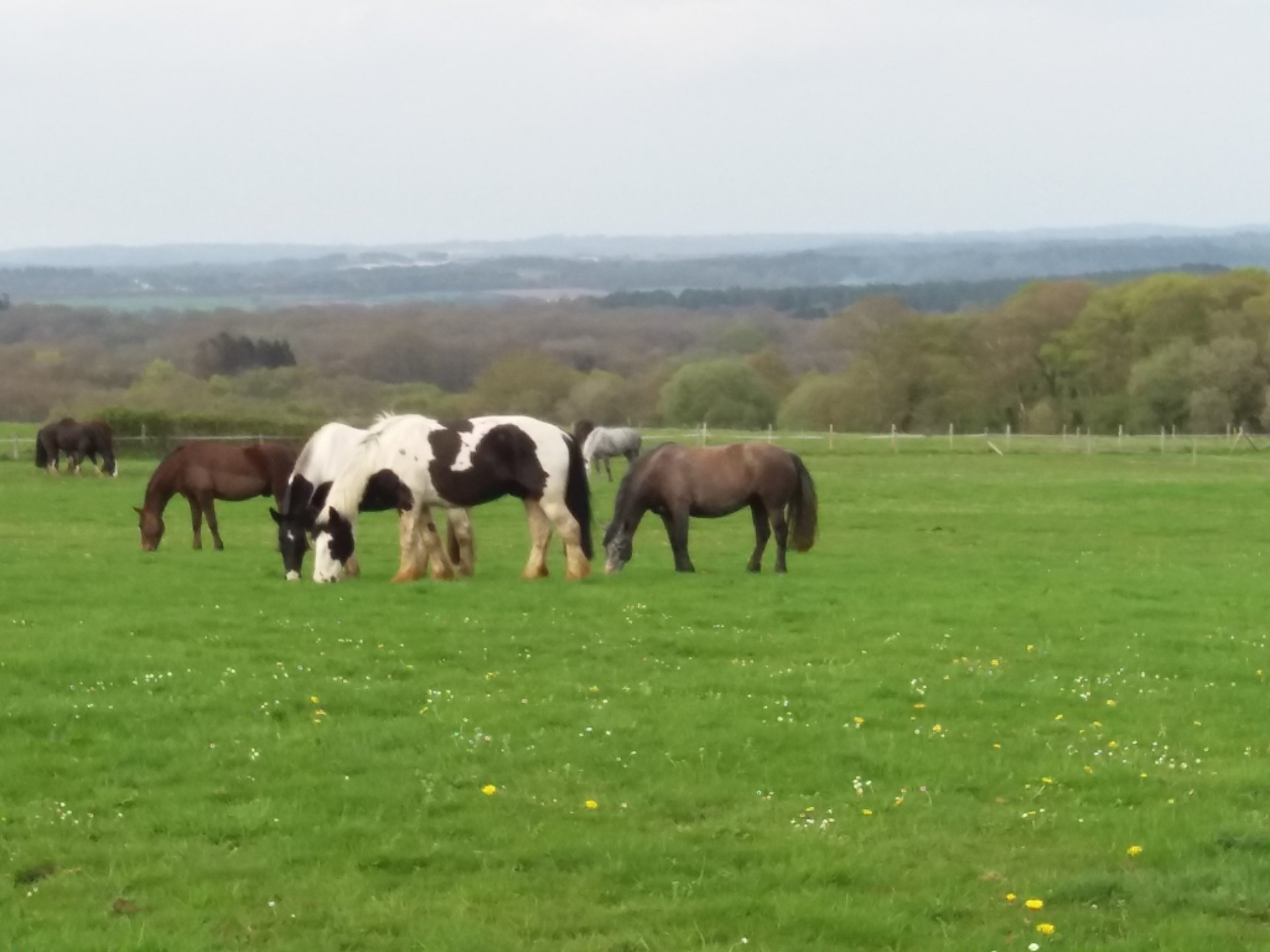
Lulworth Equestrian Centre — riding school and equestrian centre in West Purbeck, Dorset. BHS approved.
- Group lessons
- Beginner
- Adults
Published 22 July 2026 · Updated 3 August 2026
Horse welfare, instructor quality, facilities, pricing and red flags — everything you need to find the right riding school with confidence.
Choosing a riding school comes down to three things: how the horses are cared for, how the instructors teach, and how well the yard communicates. If you get those three right, everything else — facilities, price, atmosphere — tends to follow. This guide walks through exactly what to look for, what questions to ask, and which red flags mean it's time to look elsewhere.
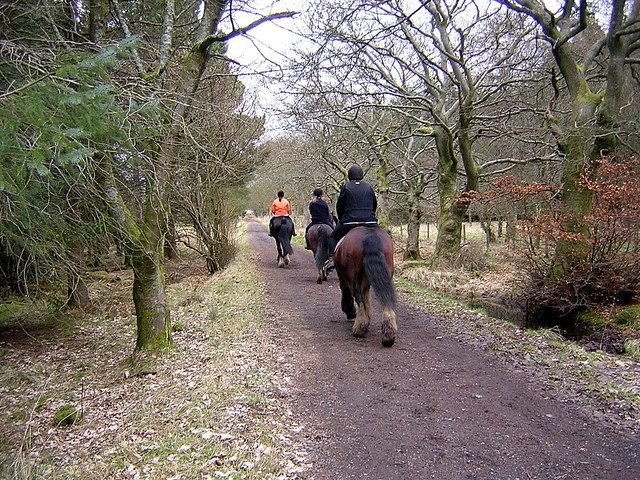
Whether you're booking your first-ever lesson, returning to riding as an adult, or finding a new yard after moving house, the process is the same: visit before you commit, watch a lesson if you can, and trust what you see.
Before the detail, here's the short version. A good riding school will usually tick most of these boxes:
If a school is missing several of these, it's worth visiting somewhere else before you commit to a lesson package.
Every experienced rider agrees on this: however friendly the instructor or slick the website, the condition of the horses tells you almost everything you need to know about how a yard is run.
Look for:
A well-run yard doesn't need to be brand new, but it should be tidy, organised, and safe. Look for:
In the UK specifically, it's also worth checking whether a school is BHS approved (British Horse Society) or accredited by a body like ABRS+ (Association of British Riding Schools). Approval isn't essential — plenty of excellent small yards aren't formally accredited — but it does mean the yard has met independent standards for horse welfare, instructor qualifications, and facilities, which is a useful starting point if you're comparing several options.
Teaching style is partly a matter of personal fit, but there are some baseline standards worth expecting from any instructor:
A stiff or businesslike manner isn't necessarily a bad sign on its own — some excellent instructors are naturally reserved rather than chatty. What matters more is whether they're patient, attentive, and clear, and whether that manner works for how you like to learn.
This is the single most useful thing you can do before committing to a lesson package. Watching a lesson — ideally with riders at a similar level to you — shows you far more than a website or a phone call ever will.
While you watch, pay attention to:
Most reputable schools are happy to let you observe, or to offer a single trial lesson before you're asked to buy a block booking. Be cautious of any school that pushes you toward an upfront package before you've even ridden with them.
Group lessons work best when riders are of a similar level and the group is small enough for everyone to get meaningful instruction and riding time. As a rough guide:
If you're consistently paired with riders far above or below your level, or asked to attempt something well beyond what you've been taught, it's reasonable to raise this with the school.
A surprising number of new riders run into confusion over pricing, usually because it wasn't confirmed clearly before the lesson. Avoid this by asking, before you book:
Getting this confirmed in writing or via email before you turn up avoids any awkward conversation about money after the lesson.
It's worth knowing that not all riding schools serve the same purpose. Some specialise almost entirely in beginner lessons; others cater to a mix of beginners, competition riders, and liveries.
There are trade-offs either way:
Neither type is automatically better — it depends on your goals. If you want to eventually compete, own a horse, or simply hack out confidently, it's worth telling the instructor that up front so they can guide your lessons toward it.
Bring a few of these along to your first visit or trial lesson:
One or two of these in isolation might have an innocent explanation — but if you're noticing several at once, it's a good reason to keep looking.
Ready to find a riding school near you? Search the British Horse Riding directory to compare verified profiles, facilities, and disciplines across the UK.
Also useful: our guides to horse riding lessons in the UK, riding schools near me, and how to choose a livery yard.
Compare schools and get in touch when you’ve found a fit.
West Purbeck, Dorset · BH20 5QR
Lulworth Equestrian Centre — riding school and equestrian centre in West Purbeck, Dorset. BHS approved.

Mendip Central and East, Somerset · BA4 4LG
Divoky Riding School is a riding school and equestrian centre in Mendip Central and East, Somerset. We coach riders from the age of 3 yrs to 80 yrs, beginners up to advanced

Sibsey & Stickney, Lincolnshire · PE22 8AG
Stickney Riding Centre, BHS, ABRS+, Pony Club. "We don't just teach people to ride. We help people understand horses."
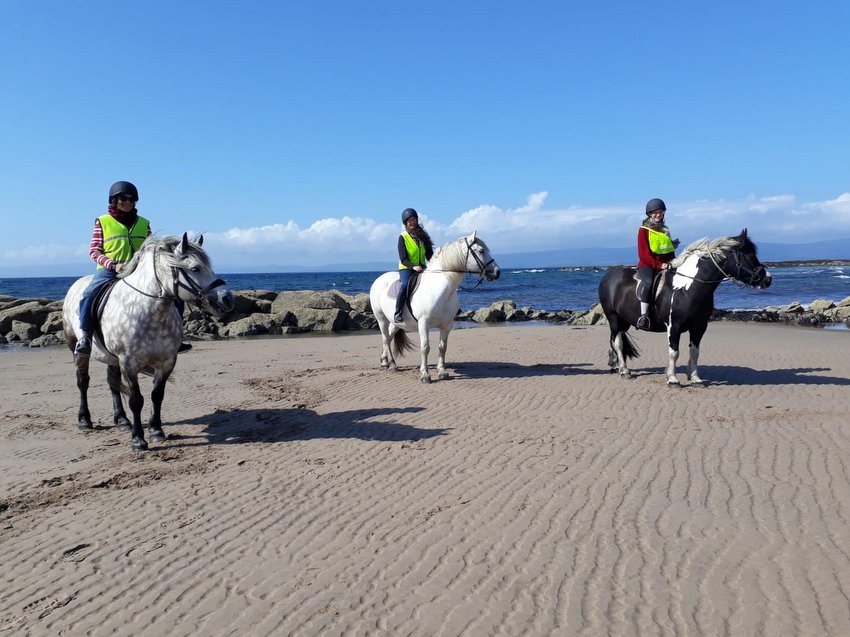
Arran, North Ayrshire · KA27 8EU
Cairnhouse Riding Centre. Is located in Blackwaterfoot on the stunning west coast of the beautiful Isle of Arran, Scotland, UK. We are open all year, and offer…

Ashley, Bashley & Fernhill, Hampshire · BH25 5SH
Tradition and Western Horse Riding in the New Forest
FAQ
Short answers to the questions riders ask most about this topic.
More reading that pairs well with this topic.
Costs, first-lesson expectations, and how long it takes to canter — a practical UK starter guide.
Published 10 August 2026
Read guide
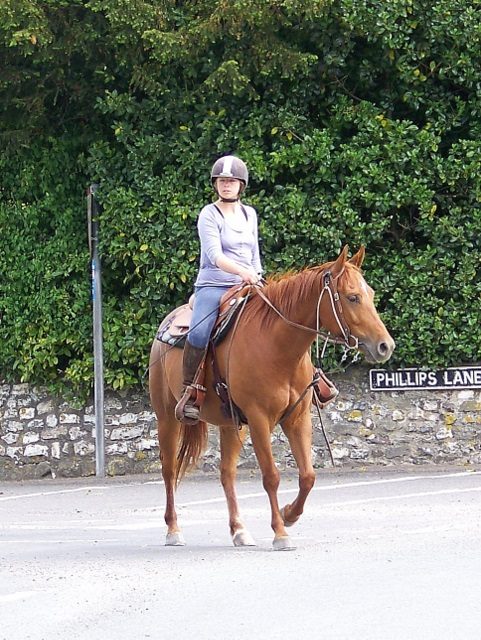
How to vet a riding school, plus starting points in Devon, Surrey and Hampshire.
Published 9 August 2026
Read guide
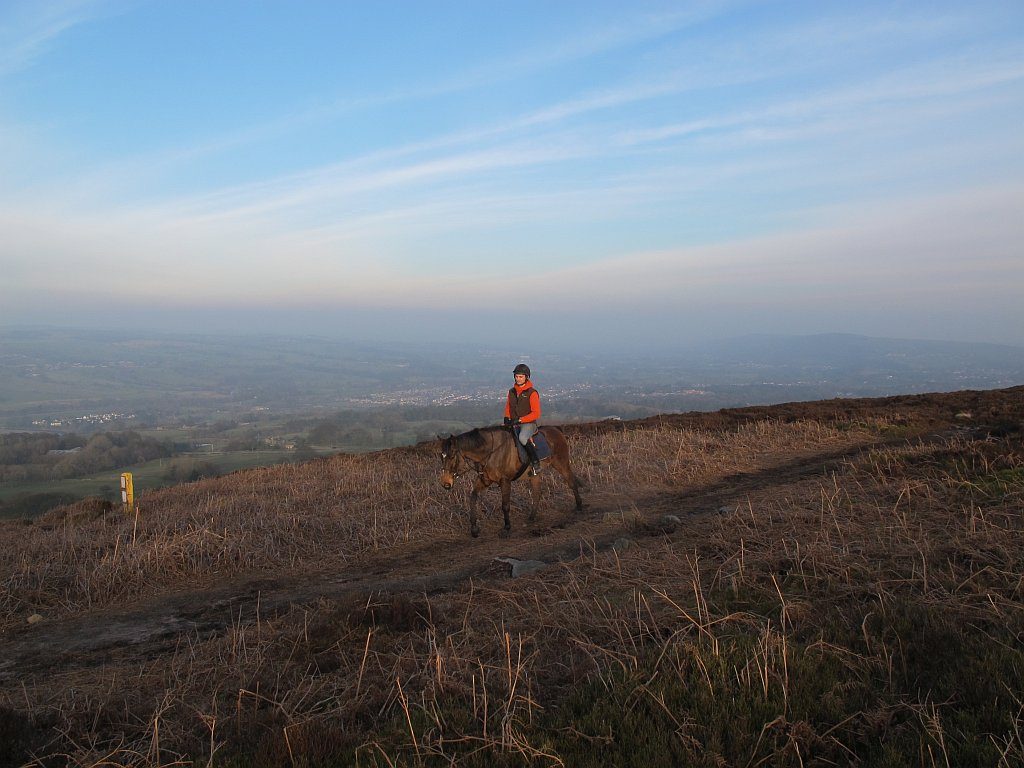
From your very first trial ride to building a proper kit bag, here's what actually matters when it comes to riding outfits — and what you can safely skip.
Published 28 July 2026
Read guide