Verified Member
Riding school
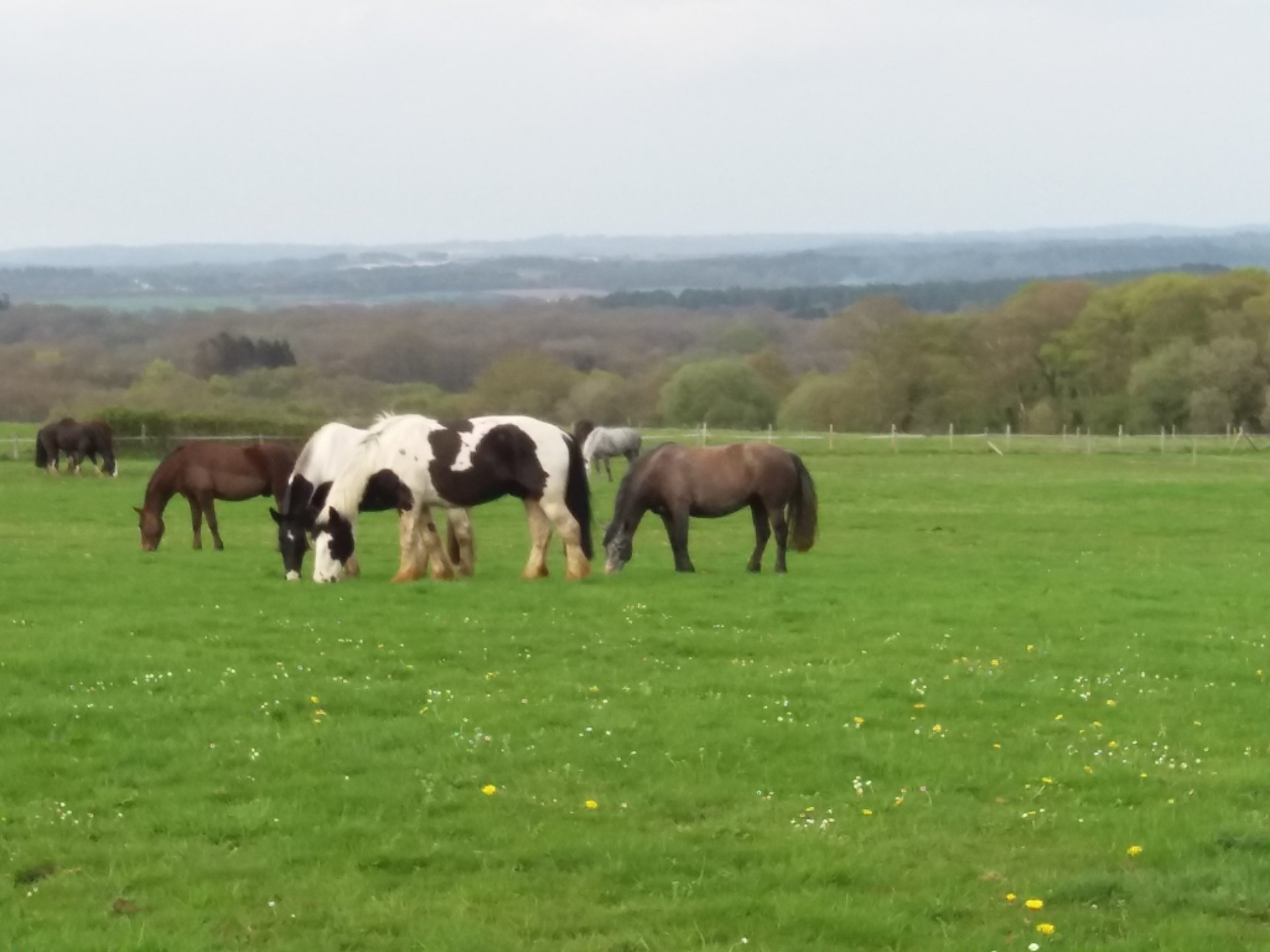
Lulworth Equestrian Centre
West Purbeck, Dorset · BH20 5QR
Lulworth Equestrian Centre — riding school and equestrian centre in West Purbeck, Dorset. BHS approved.
- Group lessons
- Beginner
- Adults
Published 28 July 2026 · Updated 4 August 2026
From your very first trial ride to building a proper kit bag, here's what actually matters when it comes to riding outfits — and what you can safely skip.
Riding kit isn't about looking the part — it's about comfort and safety in the saddle, and most of the "rules" exist for a genuine reason once you know what they are. This guide covers what you actually need for a first lesson, what to do if you're only riding for a single day, and how to build a proper kit if you're sticking with it long term.
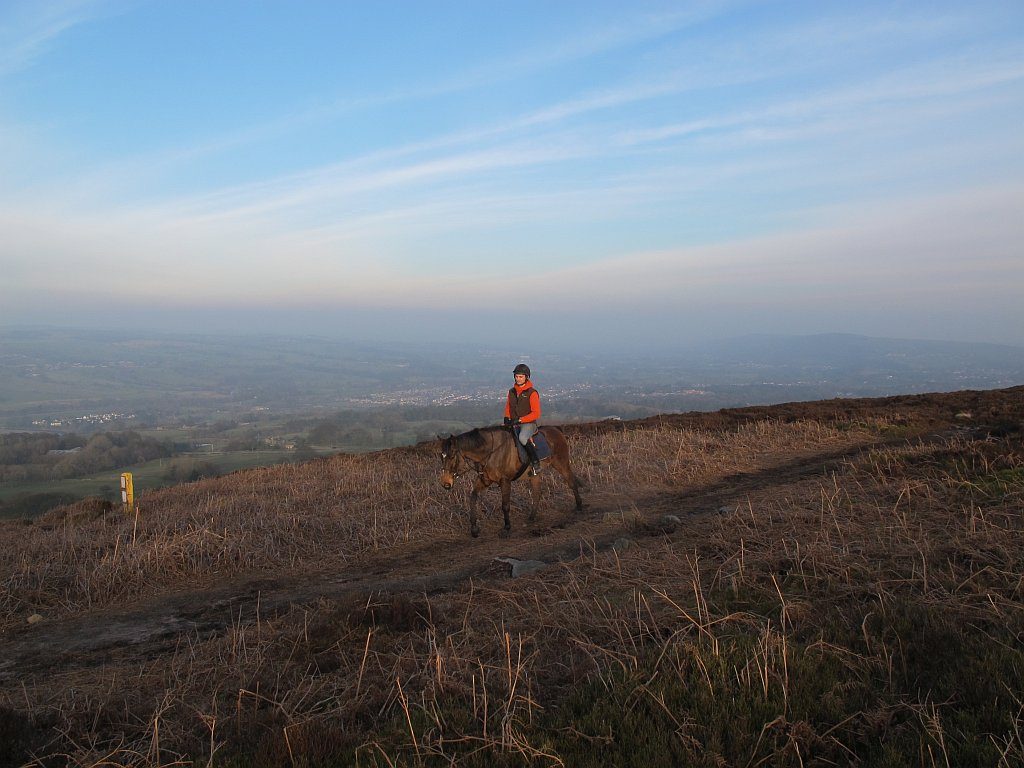
The short version: fitted trousers, a boot with a small heel, and a well-fitted helmet cover you for almost any first ride. Everything else is refinement.
You don't need to buy anything special for a first lesson or a single trail ride. Most riding schools and trail ride operators know their clients are beginners and plan for it.
Wear:
Ask before you go:
Don't feel any pressure to buy jodhpurs, riding boots, or a body protector before you've even confirmed you enjoy it. Save that spend for once you're booking lessons regularly.
Once you're riding weekly, a few proper pieces make a real difference to comfort — jeans and trainers start to show their limits fast.
Jodhpurs or riding tights Purpose-made jodhpurs have a flat seam construction that won't rub against the saddle, plus a grippy inner knee/ankle patch. Riding tights are a popular, often cheaper alternative with similar benefits and a bit more stretch. Either works — it's largely personal preference.
Riding boots Two main options:
Whichever you choose, the heel is the important safety feature, not the height.
A properly fitted helmet This is worth buying your own once you're riding regularly, rather than relying on shared school helmets. In the UK, look for a current safety standard — PAS 015, VG1, or the newer BS EN 1384 — and get it fitted in person if you can, since sizing varies a lot between brands. A helmet should sit level, not tip back, and not move when you shake your head.
Gloves Not essential, but genuinely useful once you're riding for longer sessions or in cold, wet weather — they improve grip on the reins and stop your hands getting sore.
A body protector or air jacket Not required for flatwork lessons, but worth considering if you're moving into jumping, hacking out, or riding young/green horses. Many riding centres will have a policy on this for certain activities — worth asking rather than assuming.
The core kit is identical regardless of gender — fitted trousers, a heeled boot, a properly fitted helmet. There's no separate safety standard for men's kit; it's the same requirements.
Where it does help to look at men's-specific ranges is fit. Men's jodhpurs and riding trousers are typically cut differently through the waist, hip, and calf than unisex or women's-cut equivalents, and most major equestrian brands (Dublin, Ariat, Harry Hall, Mountain Horse, among others) now do dedicated men's lines. If you've tried unisex kit and found the fit off, it's worth trying a men's-specific cut before assuming the brand or style doesn't work for you.
Beyond fit, the same general rules apply: avoid anything loose enough to catch on tack, and don't skimp on the boot heel.
| Situation | Minimum you need |
|---|---|
| First lesson / one-off trail ride | Fitted trousers, heeled boots, layers for weather. Helmet usually provided. |
| Riding regularly (few months in) | Jodhpurs or riding tights, jodhpur boots, your own properly fitted helmet |
| Riding seriously / jumping / hacking out | The above, plus gloves and a body protector or air jacket |
Looking for a riding school to put this kit to use? Search the British Horse Riding directory to find approved yards near you.
New to riding? Start with horse riding lessons UK, then use riding schools near me to shortlist local yards.
Kit sorted — now pick where you want to ride.
West Purbeck, Dorset · BH20 5QR
Lulworth Equestrian Centre — riding school and equestrian centre in West Purbeck, Dorset. BHS approved.

Mendip Central and East, Somerset · BA4 4LG
Divoky Riding School is a riding school and equestrian centre in Mendip Central and East, Somerset. We coach riders from the age of 3 yrs to 80 yrs, beginners up to advanced
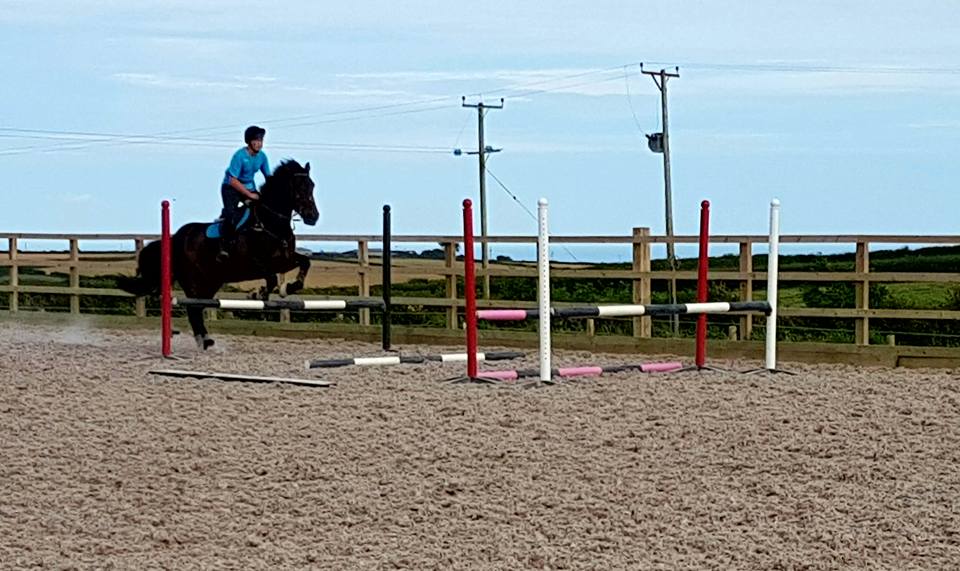
Allington & Strete, Devon · TQ7 2QF
Dittiscombe Equestrian Centre is a riding school and equestrian centre in Allington & Strete, Devon. See news and Photo's from our fantastic November show!…
FAQ
Short answers to the questions riders ask most about this topic.
More reading that pairs well with this topic.
Costs, first-lesson expectations, and how long it takes to canter — a practical UK starter guide.
Published 10 August 2026
Read guide
How to vet a riding school, plus starting points in Devon, Surrey and Hampshire.
Published 9 August 2026
Read guide
Horse welfare, instructor quality, facilities, pricing and red flags — everything you need to find the right riding school with confidence.
Published 22 July 2026
Read guide